
vacuum casting
What Is Vacuum Casting?
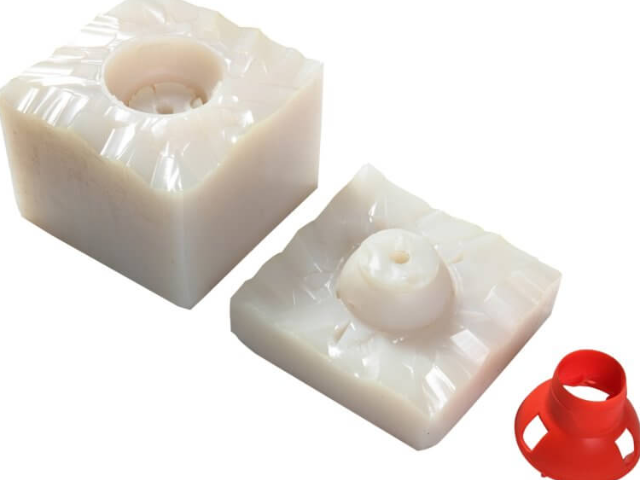
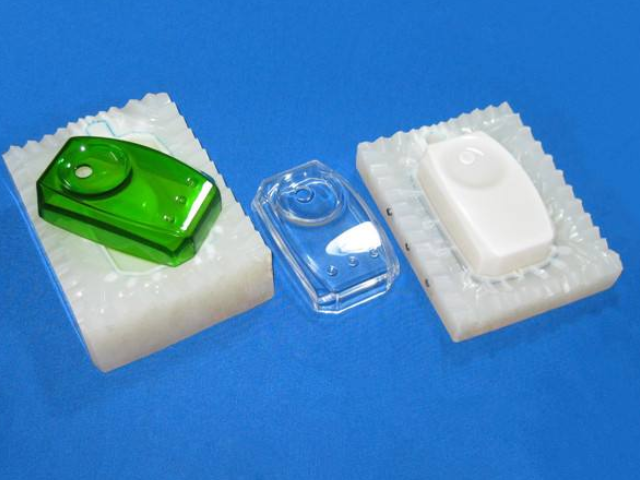
Vacuum casting, also known as silicone casting or prototype casting, is an economical alternative to low-volume injection molding of plastic parts. Usually, the mold uses CNC or SLA parts as prototypes, made of silicone material, and the parts are made by pouring polyurethane PU material through the process of vacuum injection molding. Molded parts accurately replicate the structure, details, and texture of prototypes and provide a consistent surface finish to the prototype, resulting in results similar to those produced by injection molding.
Advantages Of Vacuum Casting
Cheap silicone molds
Fast delivery
Wide selection of materials
High precision and fine details
Excellent surface finish
The Material Of Vacuum Casting
Polyurethane resins are polymers with a wide range of properties and uses. WayKen offers a variety of polyurethane casting materials to meet your application, including Hei-Cast in Japan and Axson in France. The material properties are similar to those of engineered plastics, such as ABS, PMMA, PC, PP, PA, etc. The choice of castings can range from transparent and translucent to coloured, soft rubber or hard plastics, or even impact-resistant, high-temperature (120°C) or fire-resistant (UL94-V0), as well as glass-filled, or silicones of different hardnesses.
A Technical Guide To Vacuum Casting
Standard replication accuracy
The standard tolerance ± 0.15mm/100mm, and the highest accuracy can reach ±0.05mm.
Maximum pouring workpiece
The vacuum pouring equipment can accommodate 2.0M*1.2M*1.0M mold specifications.
Minimum wall thickness of the part
The minimum wall thickness of the part is 0.5mm, and the best is 1.5mm~2.5mm.
Silicone mold service life
Up to 20 pieces can be reproduced per mold, while only 12 or even 10 castings can be made in a mold if the parts require high quality, such as transparent or complex structures.
General delivery time
Up to 50 pouring samples can be produced in 10 to 15 days, depending on the size and volume of the part.
Surface treatment and other features
Castables coloring, frosting and erosion, transparent polishing, painting, electroplating, metal inserts, overmolding, etc.
Application Of Vacuum Casting
Vacuum casting is an effective way to manufacture low-volume production of functional prototypes and plastic parts, and helps you strike a balance between high-quality production parts and the shortest lead times.
Casting in small batches
Functional testing
Aesthetic Studies
Marketing displays
Vacuum casting services
We offer a complete solution to create prototypes and reproductions based on your CAD drawing designs. We not only manufacture high-quality molds, but also provide a full range of surface treatment services, including painting, sanding, pad printing, etc. We help you with exhibit-quality display models, engineering test samples, and crowdfunded product artifacts.
Do you need to produce high-quality plastic prototypes quickly? Polyurethane vacuum casting may be able to meet your needs. Longterm vacuum casting services are known for producing exhibit-quality display models, engineering samples, crowdfunded prototypes, and more. Of course, all your workpieces are professionally painted, printed, and machined for surface treatment.